What North Sheen residents must know about waste disposal rules
If you live in North Sheen, waste disposal is one of those everyday things that can go quietly wrong. A bag left out too early, a bulky item dumped beside a bin, or the wrong material in the wrong container can lead to complaints, missed collections, extra charges, or simply a very messy pavement. The good news? Once you understand What North Sheen residents must know about waste disposal rules, the whole thing becomes much more manageable. In this guide, we'll walk through the practical rules, the common sense behind them, and the habits that keep your home tidy and your waste handling on the right side of local expectations.
Whether you are moving home, clearing a flat, or just trying to stay on top of recycling, the details matter. And yes, a lot of people only notice the rules when something has already been left out in the rain. Let's avoid that.
Why these waste disposal rules matter in North Sheen
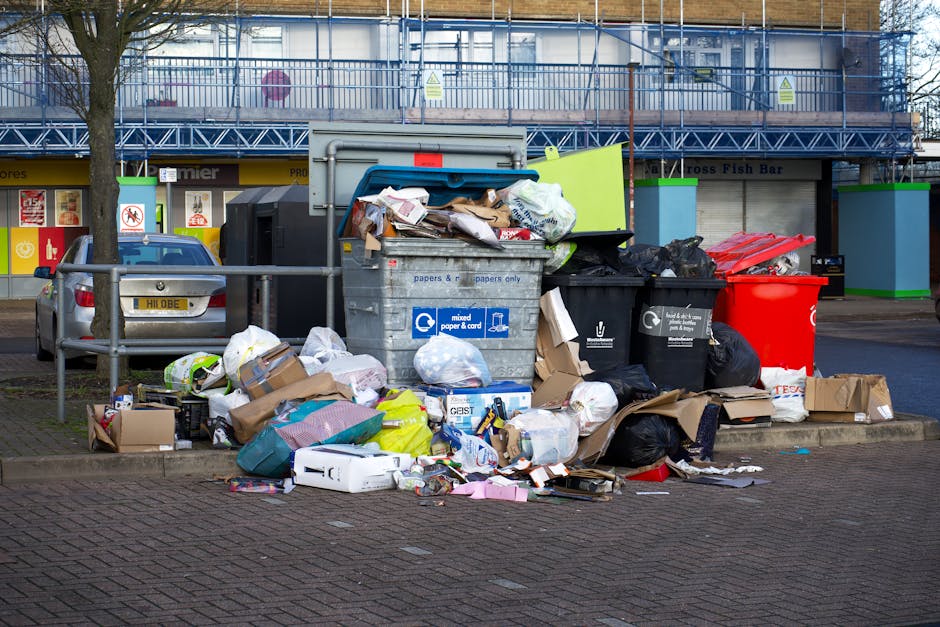
Waste disposal rules are about more than neat streets. They help keep homes hygienic, reduce fly-tipping, support recycling, and make sure collection crews can actually do their job without unnecessary hazards. In a place like North Sheen, where streets can be tight and parking can be awkward, leaving waste in the wrong place or at the wrong time can create a chain reaction: blocked pavements, upset neighbours, delayed pickups, and sometimes damage to shared spaces. Not ideal.
There is also a personal side to it. If you are leaving a property, the state of the rubbish area can become part of the handover conversation. If you are renting, a messy end-of-tenancy can mean awkward deductions. If you are selling, it can leave a poor impression on viewers or buyers. Waste management is one of those things that feels minor until suddenly it isn't.
For North Sheen residents, knowing the rules also helps with planning around bigger life events. A declutter before a move, a garage clear-out after years of "we'll deal with it later," or even a last-minute same-day removal all go smoother when waste is sorted properly. If you are already planning a move, it may help to read this guide to decluttering before a move and this pre-move cleaning checklist alongside your waste planning.
How waste disposal works day to day
At a practical level, waste disposal in North Sheen follows a fairly familiar UK pattern: household rubbish, recycling, garden waste where applicable, and special disposal for larger or more hazardous items. The exact collection arrangements can vary depending on the property type, bin storage space, and the local collection schedule, so it is always worth checking what applies to your address rather than assuming a neighbour's setup will match yours.
Here is the basic rhythm most residents need to think about:
- Separate general waste from recycling. Mixed bins are the fastest route to contamination.
- Keep waste secured until collection day. Loose bags can attract pests or get torn open.
- Put containers out at the right time. Early placement can create obstruction or visual clutter.
- Handle bulky items separately. Sofas, mattresses, and white goods usually need a different approach.
- Use authorised disposal routes for restricted items. Some materials need specialist handling.
In day-to-day life, the hardest part is often not the rule itself but the timing. People mean to sort the waste later, then suddenly it is Thursday evening and the wrong bins are full, the takeaway boxes are on the counter, and someone has left an old chair by the gate. We've all seen that scene. It's rarely malicious; it's usually just life moving fast.
If you are organising items for removal rather than throwing them away, a little preparation makes a huge difference. Services such as package your items and wait for us to come can help keep removal-day chaos under control, while delivery at the best time for you is useful when timing around access, traffic, or building rules matters.
Key benefits and practical advantages
Following waste rules properly gives you more than a tidy kerbside. It makes the whole home feel calmer. That sounds a bit soft, maybe, but it's true. When rubbish, recycling, and bulky items are under control, everything else becomes easier to organise.
- Cleaner surroundings: less mess, fewer odours, fewer pests.
- Fewer complaints: neighbours and landlords are less likely to object.
- Better recycling outcomes: correctly sorted materials are more likely to be reused.
- Less stress on moving day: fewer last-minute piles to deal with.
- Lower risk of mistakes: fewer rejected bins or avoidable disposal problems.
There is also a cost angle. If waste is left unmanaged, people often end up paying more later: extra trips to disposal points, rushed skip arrangements, or avoidable removal delays. By contrast, sorting things properly early on can keep the job straightforward. That's especially helpful if you are comparing service options and trying to avoid hidden extras. A useful read here is how to avoid hidden charges in North Sheen removals quotes.
Practical takeaway: the more clearly you separate reusable, recyclable, and disposable items before collection or removal, the smoother everything becomes.
Who needs this guidance and when it helps
This topic matters to almost everyone in North Sheen, but it is especially useful for people in a few common situations.
- Homeowners who are clearing lofts, gardens, sheds, or garages.
- Renters preparing for inspections or end-of-tenancy checks.
- Families doing periodic declutters and replacing furniture.
- Students moving in or out with limited time and storage.
- Office managers handling paper waste, equipment, or old furniture.
- Anyone dealing with bulky items that do not fit in normal household bins.
It also matters when you are in between properties. During a move, waste can appear in strange places: broken boxes, wrapping, unwanted furniture, random screws in a drawer, or items that were left behind and need sorting. If that sounds familiar, you may also find this guide to moving-home challenges and this packing guide helpful.
To be fair, not everyone needs a deep dive. If you only ever put out standard household rubbish and recycling, the basics may be enough. But the moment you have bulky waste, mixed materials, renovation scraps, or timing issues, the rules become more important than most people expect.
Step-by-step guidance for handling waste correctly
If you want a simple process, use this one. It works well for most North Sheen households and is flexible enough for a flat, terrace, or larger family home.
- Identify the waste type. Ask: is it general rubbish, recycling, bulky waste, green waste, or something that needs special handling?
- Remove reusable items first. Good books, working electronics, usable furniture, and clean household goods can often be donated, sold, or passed on.
- Flatten and sort where possible. Cardboard, plastic, and mixed packaging should be separated if you can do it safely.
- Bag or bundle waste securely. Keep loose items under control so they do not blow around or spill.
- Check collection timing. Put out bins and bags at the correct time, not the night before if that is likely to cause clutter or obstruction.
- Handle bulky items through the right route. Large furniture, mattresses, and white goods should not be left randomly on the street.
- Keep access clear. Paths, stairwells, and shared entrances should remain usable.
- Plan for the last 10%. Most waste problems happen at the end, when people are tired and "just want it gone." That final sorting step really matters.
Here is a realistic example. A North Sheen resident clearing a flat before moving might have old boxes, two broken dining chairs, a bag of mixed soft furnishings, and some recycling from the week. If they pile everything together, the result is confusion. If they sort the recycling, separate furniture, and decide what can be reused, the load becomes simpler, the removal more efficient, and there is far less chance of leaving a mess behind.
If the move includes awkward or heavy items, it may help to read solo lifting guidance and kinetic lifting tips before you start moving things around. A sofa or mattress dragged carelessly can create more trouble than the original waste ever did.
Expert tips for better results
Over time, the people who deal with waste smoothly tend to do a few small things consistently. Nothing flashy. Just steady habits.
- Keep two separate collection zones indoors. One for recycling, one for general waste. Simple, but it works.
- Label boxes during a move. Put "keep," "donate," "recycle," and "dispose" on different piles so nothing gets mixed later.
- Break big jobs into stages. Don't leave an entire house clear-out for one exhausting afternoon.
- Watch for hidden bulky waste. It often appears behind wardrobes, under beds, or in the back of cupboards.
- Take photos of anything valuable before disposal. Especially if you are sorting old paperwork, appliance serial numbers, or items that may need proof of condition.
- Use dry storage before collection day. Wet cardboard and soggy packaging become harder to recycle and harder to handle.
One small but useful habit is to think one day ahead. If you know the bins will go out tomorrow, keep the kitchen floor clear tonight. It sounds obvious. It also saves those annoying little trip hazards that appear when people are carrying bags in the dark at 8:30 pm.
And yes, if you are getting rid of furniture, there is a neat connection between waste planning and removal planning. Some items are better moved, stored, or repurposed than dumped. If that is your situation, furniture removals in North Sheen and recycling and sustainability are both worth a look.
Common mistakes to avoid
The biggest waste problems in residential areas are often surprisingly predictable. Most are avoidable too.
- Leaving bulky items beside bins. If it is not collected as standard waste, it can become an eyesore or obstruction.
- Mixing recyclable materials with food waste. One greasy container can spoil a batch of otherwise good recycling.
- Putting waste out too early. Early placement can invite mess, pests, or complaints.
- Assuming "someone will deal with it." That is how rubbish becomes a shared problem.
- Forgetting building rules. Flats and shared properties often have stricter access and storage expectations.
- Ignoring timing around collections and removals. A removal crew arriving while refuse sacks are blocking the walkway is nobody's favourite start to the morning.
Another common issue is overconfidence. People look at a broken table or an old wardrobe and think, "that's fine, I can just drag it out later." Then the hallway scuffs, the lift gets awkward, and one leg snaps off halfway down the stairs. Not a disaster, but not elegant either.
If you want to avoid that kind of chaos, it can help to read about the risks of amateur piano moving and staircase access solutions. They are specific examples, but the underlying lesson is the same: heavy items and awkward access need planning.
Tools, resources and smart recommendations
You do not need fancy equipment to manage waste well. A few sensible tools make a big difference:
- Sturdy reusable sacks for general waste and sorting.
- Clearly labelled boxes for donation, recycling, and disposal.
- Gloves for handling dusty loft items or garden waste.
- A hand trolley or sack truck for heavy or awkward loads.
- Strong tape and markers for labelling boxes during clear-outs.
- Storage space if you need to hold sorted items before collection or transport.
In practical terms, a small amount of storage can make a big clean-up much easier. That's especially true if you are dealing with a staggered move or waiting for a collection slot. A secure holding area stops your hallway becoming a temporary landfill, which is as unpleasant as it sounds. If you need temporary space, look at storage in North Sheen.
For people managing a broader move, the supporting services can also make waste handling more organised. For example, man and van North Sheen, man with a van North Sheen, or removal services in North Sheen can be useful when disposal, transport, and timing all need to work together.
Law, compliance, standards and best practice
Waste disposal in the UK sits within a broader framework of environmental responsibility, local collection practices, and property-level expectations. You do not need to memorise legal language to behave correctly, but you should understand the spirit of it: don't create hazards, don't contaminate recycling, don't dump items where they are not meant to go, and don't assume that "not my problem" is a workable strategy.
Best practice usually means:
- Using the correct waste stream for each type of material.
- Keeping access routes clear for residents, visitors, and collection crews.
- Storing waste securely until it is collected or removed.
- Handling hazardous or restricted items separately rather than mixing them with household rubbish.
- Cooperating with building rules and local collection routines so everyone can use the space safely.
For landlords, tenants, and managing agents, the compliance angle can be even more important. Shared entryways, communal bin stores, and limited access areas often need clearer rules than a standalone house. A small mistake in a block of flats can affect several neighbours very quickly. That's why flat removals in North Sheen and house removals in North Sheen often need different planning.
If you want to work with a company that takes safety and process seriously, it is sensible to review pages such as insurance and safety, health and safety policy, and terms and conditions before booking anything substantial.
Options, methods and practical comparison
Not every waste problem needs the same solution. The right method depends on volume, urgency, item type, and how much lifting or sorting you want to do yourself.
| Method | Best for | Strengths | Watch out for |
|---|---|---|---|
| Regular household collection | Day-to-day rubbish and recycling | Simple, familiar, low effort | Limited to what the collection system accepts |
| Bulky waste disposal | Furniture, mattresses, large appliances | Removes awkward items properly | Needs planning and may involve waiting |
| Donation or reuse | Usable furniture and household goods | Reduces waste, helps others, often free | Items must be clean and in suitable condition |
| Removal service | Mixed loads, clear-outs, move-related waste | Convenient, efficient, less lifting for you | Choose carefully and compare scope |
| Storage before disposal | Staggered moves or uncertain decisions | Buys time, keeps the home clear | Can add an extra step if overused |
In practice, many North Sheen residents use a combination. For example, they might donate a sofa, recycle cardboard, and arrange removal for the broken items that are not worth repairing. That mixed approach is usually the smartest one. It saves space and keeps the waste stream cleaner.
If you are deciding between options, removal companies in North Sheen and removals in North Sheen can be a practical comparison point, especially when you want a service that handles both transport and orderly clearance.
A real-world North Sheen scenario
Imagine a North Sheen family preparing to move from a first-floor flat. Over several evenings, they collect cardboard from deliveries, old kitchen items, a damaged bedside cabinet, and a pile of clothes that will not be taken to the new place. At first, it all sits together in the hall. Then the hall starts to feel cramped, the recycling is mixed with broken furniture, and one of the bags gets split near the front door. A fairly ordinary problem, really, but it creates stress.
They pause and sort it properly. Cardboard and clean recyclable packaging are flattened. The broken cabinet is separated for removal. Usable items are packed for donation. A few things are kept aside in storage for one more decision later. By the next morning, the route to the front door is clear, the collection is tidy, and the move itself is far less chaotic.
That is the real lesson here. Waste disposal rules are not just about compliance; they are about keeping the process manageable when life is already noisy. A move has enough moving parts without a pile of rubbish sitting in the wrong place. If you are in that situation now, a helpful local read is this planning checklist for house moves, along with local removals near Sheen Lane.
Practical checklist
Use this before collection day, move day, or any big clear-out.
- Sort waste into general rubbish, recycling, reusable items, and bulky waste.
- Flatten boxes and secure loose packaging.
- Keep pathways, stairwells, and entrances clear.
- Check whether any items need separate handling.
- Move heavy or awkward objects with proper care.
- Label donation, storage, and disposal piles clearly.
- Do not leave waste outside earlier than necessary.
- Make sure nothing is blocking neighbours, communal areas, or access points.
- Plan transport or removal support for items too large for normal bins.
- Review any property-specific rules if you live in a flat or shared building.
Expert summary: the best waste system is the one you can keep doing consistently. Small habits beat dramatic clean-ups every time. A little sorting tonight saves a lot of scrambling tomorrow.
If you need support with an urgent clear-out or same-day collection-style move, it may also help to look at same-day removals in North Sheen and contact the team here when timing is getting tight.
Conclusion
What North Sheen residents must know about waste disposal rules really comes down to a few simple ideas: sort waste properly, keep access clear, respect collection timing, and treat bulky or awkward items with a bit more thought than a normal bin bag. Once you get into that rhythm, the whole process stops feeling fussy and starts feeling normal.
That's the pleasant part, actually. Not the rubbish itself - nobody enjoys rubbish - but the calm that comes from knowing your home is under control. And in a busy part of London, that calm is worth a lot.
If you are planning a move, clearing a property, or just trying to get ahead of the mess, take it one step at a time. You do not need perfection. You just need a good system, a clear plan, and maybe a hand when the heavy stuff shows up.
Get a free quote today and see how much you can save.
Frequently Asked Questions
What are the main waste disposal rules North Sheen residents should follow?
The main rules are simple: separate recycling from general waste, secure rubbish until collection, avoid blocking access routes, and handle bulky or restricted items through the right disposal route.
Can I leave bulky waste outside my home in North Sheen?
Usually not unless it is arranged through the correct collection or removal method. Bulky items left randomly outside can cause obstruction, complaints, or missed collections.
What should I do with old furniture instead of dumping it?
If the item is usable, consider reuse or donation. If it is damaged or no longer safe to use, arrange proper bulky-item removal or a suitable disposal service.
How do I know if something belongs in recycling or general waste?
Think about whether the item is clean, dry, and accepted in recycling. If it is contaminated with food, mixed materials, or broken in a way that makes sorting difficult, it may need to go in general waste or a separate stream.
Do waste rules change if I live in a flat?
They can. Flats often have shared bin stores, tighter access, and more specific building rules. Residents should be extra careful about where items are left and how long they stay there.
What happens if I put waste out too early?
It may attract pests, create clutter, or lead to complaints from neighbours or building managers. Early placement can also mean bags get split or moved before collection.
Is it worth separating items before a house move?
Absolutely. Sorting reusable, recyclable, and disposable items before a move saves time, reduces waste, and makes unpacking easier at the other end.
What are the most common waste mistakes people make during removals?
People often mix recycling with general waste, forget bulky items, leave bags in the wrong place, or assume everything can be dealt with later. Later is usually where the trouble starts.
Can storage help with waste disposal planning?
Yes. Storage is useful when you are undecided about items, moving in stages, or waiting for the right disposal or collection timing. It keeps the home clearer in the meantime.
How do I handle waste if I am short on time?
Separate items quickly into three piles: keep, dispose, and recycle. Then focus on the largest obstacles first, especially anything blocking hallways, doors, or access points.
Are moving services useful for waste-related clear-outs?
They can be very useful, especially if you have bulky items, awkward access, or a mixed load of items to move, store, or remove. It takes pressure off you on the day.
What should landlords and tenants in North Sheen pay attention to?
They should pay attention to communal space rules, rubbish storage areas, end-of-tenancy clean-up, and whether bulky items are removed before handover. Good waste habits make property transitions much smoother.