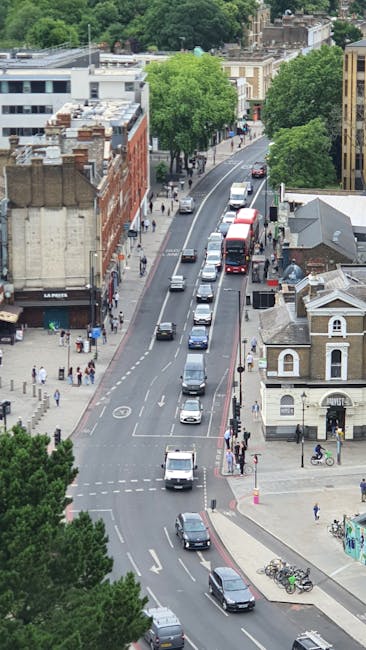
Permit requirements for large van removals in North Sheen streets
If you are planning a move with a larger van in North Sheen, the permit side of things can feel oddly more stressful than the packing. That is fair enough. You are already juggling boxes, timing, parking, neighbours, and the tiny panic of "will the sofa even fit?" This guide breaks down Permit requirements for large van removals in North Sheen streets in plain English, so you can plan the move properly, avoid fines or delays, and understand when a parking permit, suspension, or loading restriction might matter.
North Sheen streets can be tight, busy, and a little unforgiving at peak times. A van that feels manageable on a motorway can suddenly become a problem when you are trying to stop outside a terraced house, a flat block, or a road with limited waiting space. The good news? With a bit of preparation, most of the headaches are avoidable.
In this article, we will cover what the permit issue usually involves, how the process tends to work, who needs to think about it, and the mistakes people most often make. We will also look at practical planning tips, a comparison of options, and a real-world style example to make the whole thing easier to picture. If you are also comparing service options for the move itself, you may find it useful to look at man with a van, removal van, or broader removal services as you plan.
Table of Contents
- Why this matters in North Sheen streets
- How the permit process works
- Key benefits and practical advantages
- Who needs this and when it makes sense
- Step-by-step guidance
- Expert tips for better results
- Common mistakes to avoid
- Tools, resources and recommendations
- Law, compliance, standards and best practice
- Options, methods and comparison table
- Case study or real-world example
- Practical checklist
- Conclusion
- Frequently asked questions
Why Permit requirements for large van removals in North Sheen streets Matters
Parking and access are not just small details in a removal. They can decide whether your move runs smoothly or turns into a long, awkward shuffle from the end of the road. In North Sheen, that matters even more because street layouts, bay restrictions, resident parking areas, and general traffic flow can all affect where a large van can legally stop.
A permit may be needed for a few different reasons. Sometimes the vehicle is too large for unrestricted kerbside waiting. Sometimes the road has loading controls. Sometimes the move needs a formal suspension of a bay or temporary permission to occupy a space. And sometimes, truth be told, the issue is less about the van size itself and more about the time of day, the length of stay, or whether the van needs to stay close to the property for efficient loading.
Let's face it: a removal is already a busy day. If the van has to circle the block, unload from a distance, or keep moving on every few minutes, the whole thing becomes slower and more tiring. The right permit arrangement helps protect your time, the van crew's efficiency, and the people walking or driving nearby.
There is also a financial side. If parking is not arranged properly, you may run into enforcement issues or extra charges, and nobody wants that when they are already paying for boxes, transport, and possibly storage too. For moves that need more careful planning, it can help to review pricing and quotes early, so parking and access expectations are considered before moving day.
Expert summary: If your removal van needs to stay close to the property for more than a very brief stop, assume parking and permit planning matter until you have confirmed otherwise. It is better to check early than to improvise on the morning.
How Permit requirements for large van removals in North Sheen streets Works
In simple terms, the permit question is about whether a large van can lawfully stop, wait, load, or unload in the street where you are moving from or to. The answer depends on the type of road controls in place, the vehicle size, the duration of the stop, and whether the move takes place in a marked bay or general parking area.
For many households, the process starts with checking the street conditions around both addresses. You are looking for signs, bay markings, yellow lines, resident permit zones, loading restrictions, and any time-limited rules. If you are not sure, assume there is a restriction until you verify it. That small habit saves a lot of stress.
Then comes the practical part. If a permit, dispensation, or suspension is needed, it usually has to be arranged in advance. A larger van removal is not the sort of task you want to leave until the day before. Moving crews work faster when they know exactly where they can park, how long they can stay, and whether they need to keep the vehicle in one place or shift it between loading runs.
Sometimes the best option is not a permit at all, but a different moving setup. For example, if the street is awkward or access is limited, a smaller vehicle plus shuttle runs may work better than one big van parked at the kerb. That is one reason many people compare man with van and removal truck hire before deciding what is actually practical.
Here is the key point: permit requirements are not only about legality. They are about logistics. The most efficient move is the one that fits the street, the van, and the timing all together. Small detail, big difference.
What usually affects the permit decision?
- The size and length of the van
- Whether the stop is for loading, unloading, or waiting
- The type of road restriction in the street
- How long the vehicle will remain outside the property
- Whether a bay or curb space is available
- Whether there is enough room for safe access to doors, ramps, and trolleys
Moves involving bulky items, such as pianos or large wardrobes, can need a little more space than people first expect. If your move includes awkward items, it may be worth planning around piano removals or furniture removals guidance too.
Key Benefits and Practical Advantages
Getting the permit side right can feel like admin, but the payoff is real. The biggest advantage is a calmer move. When parking is settled, the crew can focus on lifting, protecting items, and keeping the day moving. Nobody is wasting time guessing where to stop or darting back to the van every few minutes.
Another benefit is better safety. A van parked in a sensible place reduces awkward carrying distances and lowers the chance of someone tripping, twisting, or dropping something heavy in a rush. Removal work is physical enough without adding a parking headache into the mix.
You also get better time control. If you have a narrow time window, or if you are moving from a flat where access is tricky, a permit or pre-agreed parking arrangement can be the difference between "we are on schedule" and "we are still trying to get the van near the door." That is not dramatic. It is just how these things play out.
There is a customer-facing benefit too, even if it sounds small. Neighbours tend to be more tolerant when a vehicle is parked carefully and in line with local rules. Less fuss, less noise, less irritation. In a quiet North Sheen street on a weekday morning, that can matter more than people realise.
For larger household moves, it is often sensible to combine parking planning with packing support. If you want a smoother day overall, packing and boxes and home moves services can help reduce the amount of last-minute scrambling.
Who This Is For and When It Makes Sense
This topic is most relevant if you are moving from or into a street where van access is limited, or if your moving vehicle is on the larger side. If you are using a long wheelbase van, a luton-style vehicle, or anything that takes up more space than a standard car, it is worth paying attention.
It also matters if you are moving from a flat, especially where the front door is some distance from the nearest legal parking point. The same goes for family homes on narrow residential roads, office moves that need loading bays, and student moves when everyone seems to be moving on the same weekend. Yes, that annual migration is a thing.
Here are the typical situations where permit planning makes sense:
- You need the van close to the property entrance
- Your street has restricted parking or loading rules
- The move will take more than a very short stop
- You are using a larger removal vehicle
- You want to avoid enforcement risk or disruption
- You are moving bulky, fragile, or high-value items
Commercial moves are another obvious case. If a workplace relocation involves office furniture, archived files, or equipment, the vehicle may need reserved access or timed loading. For that kind of job, it helps to look at office removals and commercial moves alongside any parking plan.
And if you are only moving a few items? You might not need anything formal at all. That is why a sensible assessment beats guesswork every time.
Step-by-Step Guidance
If you are trying to work out the permit side for a large van removal in North Sheen streets, this is the simplest way to tackle it.
- Check both addresses carefully. Look at the street outside the pickup point and the delivery point. Restrictions can differ even on nearby roads.
- Read the signs and markings. Bay controls, loading only zones, and waiting restrictions can all affect whether a van can stop legally.
- Measure the practical access. Think about height barriers, tight turns, width of the road, and how far the van will be from the front door.
- Estimate the time needed. A quick drop-off is very different from a full house move. Longer stays are more likely to need formal planning.
- Decide on vehicle size. A larger van may be efficient, but only if the street can actually accommodate it.
- Book the move early. Do not leave parking decisions until moving day morning. That is the moment when everyone is already busy.
- Confirm responsibilities. Make sure you know whether the permit, if needed, is being handled by you, the moving company, or both.
- Prepare for loading flow. Keep essentials separate, label fragile boxes, and leave a clear route from the property to the van.
Here is a tiny but useful tip: walk the route yourself the day before, if you can. Stand at the kerb and look at the street as the van driver will see it. It sounds simple, almost too simple, but it often reveals the snag that maps and memory miss.
If the move is happening fast, or the date has come around sooner than expected, services such as same day removals can be helpful, but the parking question still needs attention. Speed does not cancel street rules. Annoying, but true.
Expert Tips for Better Results
In practice, the best moves are the ones where the parking plan is boring. No drama, no surprises, no last-minute "wait, can we stop here?" moments.
Use these tips to keep it that way:
- Build the parking check into your move checklist. Make it a standard task, not a side note.
- Choose the right vehicle for the street. Bigger is not always better if access is awkward.
- Keep the loading door side in mind. Sometimes a van can park legally, but still be badly positioned for efficient loading.
- Allow a time buffer. A few extra minutes can save a lot of rushed lifting.
- Keep documents and key contacts handy. If a question comes up on the day, you do not want to hunt through three pockets and a box of charger cables.
- Use a mover who understands local conditions. Local knowledge saves time. It really does.
It also helps to think about what will happen if the street is already busy when you arrive. Is there a backup plan? Could the van wait nearby? Could the loading start from a different point? The more you think through the "what if" moments now, the less likely they are to bite later.
If you are packing delicate or high-value items, the parking plan should be matched with handling care and proper protection. That is where packing and unpacking services can quietly make the whole day feel more manageable.
Common Mistakes to Avoid
A lot of permit trouble comes from small assumptions. Not reckless behaviour, just rushed thinking. Moving day has that effect on people.
- Assuming the van will "fit somewhere". Street parking is not a vague hope.
- Leaving permit checks until the day before. That is when problems get expensive.
- Ignoring loading restrictions. A short stop may still be restricted at certain times.
- Forgetting the delivery address. It is common to focus on the pickup side and overlook the new street.
- Choosing a vehicle based only on item volume. Access and parking matter just as much.
- Not factoring in weather or traffic. Rain, double parking, and school-run traffic can all change the picture a bit.
One of the sneakiest mistakes is underestimating how long the van will need to stay near the property. A move that looks simple on paper can stretch once stairs, narrow hallways, awkward furniture, or last-minute packing get involved. And yes, every move seems to have at least one heavy item that behaves like it was designed in a different century.
If you are moving a full household, it is often better to combine the parking plan with the rest of the logistics rather than treat it as a separate issue. That is why many people compare house removals with smaller vehicle options before settling on a plan.
Tools, Resources and Recommendations
You do not need a complicated toolkit to deal with permit requirements, but you do need the right information at the right time.
Useful things to have ready include:
- Both full addresses, including flat numbers if relevant
- Move date and preferred time window
- Vehicle type and approximate length
- Any known restrictions or bay markings outside the property
- Photos of the street if access looks tight
- Floor number, lift access, and walking distance from van to door
From a service planning point of view, it can also help to use the company pages you already have available to narrow the type of move. For example, a small student move might be suited to student removals, while a business relocation may need something closer to office relocation services. If you are moving items into temporary storage, that is another reason to think carefully about access and vehicle size, especially around storage handling and repeated loading.
One recommendation I would make without hesitation: keep the move plan simple and written down. A short note with parking details, access instructions, and contact names can save a surprising amount of back-and-forth on the day.
Law, Compliance, Standards and Best Practice
While this article is not legal advice, it is sensible to treat parking and permit requirements as a compliance issue rather than a casual admin task. In London, street use can be tightly managed, and local parking controls are there for a reason: access, safety, traffic flow, and fairness to residents.
Best practice is straightforward. Check the restrictions before the move, follow any permit or bay rules, and ensure the van does not block access, crossings, or emergency routes. If a formal parking arrangement is needed, arrange it properly instead of hoping a quick stop will be overlooked. That kind of gamble tends to age badly.
For removals, good practice also includes safe loading, secure handling, and clear communication. A professional team should understand how to position the vehicle, reduce trip hazards, and keep the route between property and van as clear as possible. If you want to review standards around safe working and business expectations more broadly, pages such as health and safety policy and insurance and safety can be useful background reading.
On the operational side, a moving company should also be clear about service terms, payment expectations, and what happens if access is more difficult than expected. That level of clarity is a sign of a proper operation, not just a nice-to-have.
Options, Methods, or Comparison Table
When you are deciding how to handle a move in North Sheen streets, there are a few common approaches. The right one depends on the street, the load, and how much time you have.
| Option | Best for | Pros | Watch out for |
|---|---|---|---|
| Large van with arranged parking or permit | Full or medium-sized moves with enough street access | Efficient loading, fewer trips, simpler logistics | Needs advance planning and may not suit tight streets |
| Smaller van or man-and-van setup | Narrow roads, lighter loads, short moves | More flexible in tight areas, often easier to position | May require more trips for larger households |
| Multiple smaller loads plus storage | Staggered moves or temporary housing gaps | Less pressure on one moving day, can be more controlled | Extra handling and possible added time |
| Full removal team with planned access | Busy family moves, office moves, bulky furniture | Better coordination, less lifting stress, smoother flow | Usually needs clearer parking and timing arrangements |
In many real moves, the best answer is not the biggest van. It is the most suitable one. That sounds obvious, but people still get caught by it. A neat, efficient van in the wrong street can be more trouble than a slightly smaller vehicle that can stop exactly where needed.
Case Study or Real-World Example
Imagine a family moving from a first-floor flat in a North Sheen street with limited waiting space. They have a sofa, bed frames, several boxes of books, a fridge, and a couple of awkward lamps. At first, they assume a large van can simply park outside for an hour while everything is loaded.
Then they check the street and realise the nearest kerb space is restricted during part of the morning. Not ideal. Instead of forcing the issue, they adjust the plan: the move starts a little earlier, the vehicle used is sized to fit the street more comfortably, and the team arrives with the packing already done. The loading point is clear, the carry distance is short, and the van is able to stay positioned without constant reshuffling.
Nothing glamorous happened there. No dramatic rescue. Just sensible planning. But that is often what makes a move feel calm instead of chaotic. The family still had a noisy morning, of course. There were footsteps, tape ripping, and the odd "where did we put the kettle?" moment. Yet the move itself stayed under control because parking and access were thought through first.
That is the real lesson: when the street is the constraint, the plan has to respect the street.
Practical Checklist
Use this checklist before moving day. It is simple on purpose.
- Confirm both addresses and exact postcodes
- Check street signs, bay restrictions, and loading rules
- Decide whether a permit or parking arrangement is needed
- Match the van size to the street access
- Allow enough time for loading and unloading
- Keep keys, documents, and contact numbers easy to reach
- Label fragile and essential items clearly
- Plan for rain, traffic, and small delays
- Tell neighbours or building management if access may be tight
- Review service terms and safety expectations beforehand
If you can tick most of that off, you are in a far better position than the average mover. And that counts for a lot on a busy day.
Conclusion
Permit requirements for large van removals in North Sheen streets are really about one thing: making sure the move can happen legally, safely, and without unnecessary hassle. When you understand the street controls, choose the right vehicle, and plan the timing properly, the whole process becomes far easier to manage.
The strongest approach is usually the simplest one. Check early, book sensibly, and treat parking as part of the move rather than an afterthought. That way, you are not trying to solve access problems while the sofa is halfway out of the front room.
If your move involves awkward access, bulky furniture, or a tight deadline, it is worth pairing your parking plan with the right moving support. The combination of a suitable vehicle, clear communication, and careful packing can turn a stressful day into a properly manageable one.
Get a free quote today and see how much you can save.
Sometimes the smoothest move is the one where the boring details were handled first. That is not flashy, but it is a relief. And on moving day, relief is worth quite a lot.
Frequently Asked Questions
Do I need a permit for a large van removal in North Sheen streets?
It depends on the street restrictions, the size of the van, and how long it needs to stop. Some locations may allow brief loading, while others require a permit, suspension, or other parking arrangement. Always check the specific street first.
What counts as a large van for removals?
In practical terms, a large van is usually a vehicle bigger than a standard car or small van, often with a long wheelbase or high roof. The important point is not the label, but whether it can park and load safely in the street.
How far in advance should I check parking rules?
The earlier the better. Ideally, you should check as soon as your move date is set. Leaving it to the last minute is risky because some parking arrangements take time to organise.
Can a removal van stop briefly without a permit?
Sometimes, yes, but only if the street rules allow it. A short stop is not automatically legal. Loading restrictions, yellow lines, and bay controls can still apply even if the stop is brief.
What happens if the van cannot park close to the property?
The crew may need to carry items a longer distance, park elsewhere, or adjust the vehicle size and moving method. That can slow the move down, so it is better to sort access early if possible.
Are permits needed for both the pickup and delivery address?
They can be. Each street may have different rules, so both ends of the move should be checked independently. People often forget the delivery side, which is a very human mistake, but still one to avoid.
Does a smaller van avoid permit issues?
Not always. A smaller van may be easier to park, but street restrictions can still apply. It can reduce the problem, though, especially in tight roads or when access is limited.
Can I arrange the parking myself?
Often, yes, but it depends on the type of arrangement and the local rules involved. Some people prefer to handle it themselves, while others ask the moving company to help guide the process.
What should I do if my street is very narrow?
Choose the van size carefully, allow extra time, and walk the route before moving day if you can. Narrow streets often need a more flexible plan, not just a bigger vehicle.
Are office moves handled differently from home moves?
Usually, yes. Office removals often involve more equipment, more structured timing, and sometimes loading bay considerations. That can make parking planning even more important.
What if I am moving at short notice?
Short-notice moves are possible, but they need quicker decisions and clearer communication. If time is tight, confirm access and parking as soon as possible, and be prepared to choose a more flexible vehicle option.
How can I make moving day less stressful?
Keep the plan simple. Pack early, label boxes clearly, confirm parking, and choose a van size that matches the street. Small things done early make a surprisingly big difference.
For anyone sorting a move around North Sheen streets, the best outcome is usually calm, not clever. A little early planning goes a long way, and once the van is in the right place, everything else tends to fall into line.